What Is Non-Owner Car Insurance?
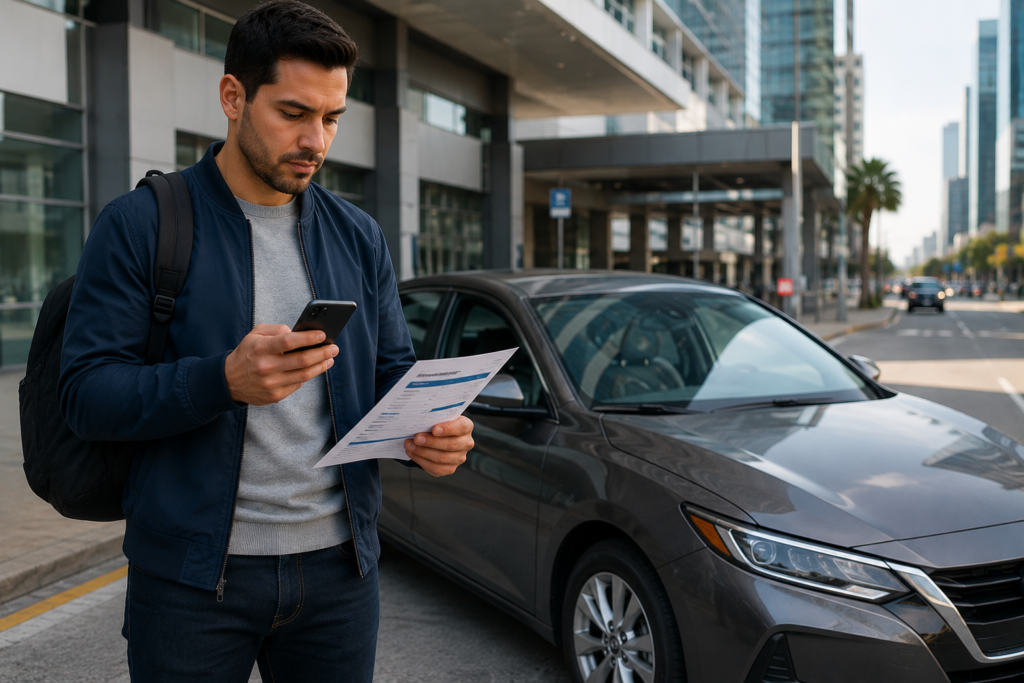
Most people associate auto insurance with vehicle ownership. However, not every licensed driver owns a car. Some individuals frequently borrow vehicles from friends or family members, rent cars for business trips, use car-sharing services, or need to maintain continuous insurance coverage even when they do not own a vehicle.
For these situations, non-owner car insurance can be an effective solution.
Non-owner car insurance, also called non-owner auto insurance, is a liability-focused policy designed for drivers who do not own a vehicle but still drive occasionally. It provides financial protection when driving vehicles that are not owned by the policyholder.
This type of coverage is often less expensive than traditional car insurance and can help drivers maintain continuous insurance history, satisfy state requirements, or meet SR-22 filing obligations.
In this guide, we’ll explain how non-owner insurance works, who needs it, what it covers, eligibility requirements, and how much it typically costs.
How Non-Owner Car Insurance Works
A non-owner auto insurance policy follows the driver rather than a specific vehicle.
Unlike standard car insurance, the policy is not attached to a car because the insured individual does not own one.
When the policyholder drives a borrowed, rented, or shared vehicle, non-owner insurance generally provides liability protection if the driver causes an accident.
Typically, the vehicle owner’s insurance acts as the primary coverage.
The non-owner policy often serves as secondary liability coverage if damages exceed the owner’s policy limits.
This additional protection can help reduce financial exposure after an accident.
Who Needs Non-Owner Car Insurance?
Many drivers are unaware that non-owner insurance exists, yet it can be valuable in several situations.
Frequent Borrowers
If you regularly borrow vehicles from:
- Friends
- Family members
- Coworkers
A non-owner policy may provide extra liability protection while driving.
Drivers Between Vehicles
Individuals who recently sold a car or plan to purchase one in the future may use non-owner insurance to avoid a lapse in coverage.
Continuous insurance history often helps maintain lower premiums when purchasing future policies.
Rental Car Users
People who frequently rent vehicles for:
- Business travel
- Vacations
- Temporary transportation
May benefit from additional liability coverage.
Drivers Requiring SR-22 Filings
Many states require high-risk drivers to maintain insurance after:
- License suspensions
- DUI convictions
- Serious traffic violations
Non-owner SR-22 insurance is often available for drivers who do not own a vehicle but must satisfy legal requirements.
Car-Sharing Service Users
Drivers who use:
- Car-sharing programs
- Vehicle subscription services
- Temporary vehicle access platforms
May benefit from maintaining independent liability protection.
What Does Non-Owner Car Insurance Cover?
Coverage varies by insurer and state, but most non-owner policies focus on liability protection.
Bodily Injury Liability Coverage
This coverage helps pay for injuries caused to others if the insured driver is responsible for an accident.
Covered expenses may include:
- Medical bills
- Rehabilitation costs
- Lost wages
- Legal settlements
Property Damage Liability Coverage
Property damage liability helps pay for damage caused to another person’s property.
Examples include:
- Vehicle repairs
- Fence damage
- Building damage
- Roadside property repairs
Legal Defense Costs
Many liability policies also provide legal defense coverage for covered claims.
This protection may include:
- Attorney fees
- Court costs
- Settlement negotiations
Liability protection is often the primary reason drivers purchase non-owner insurance.
What Non-Owner Insurance Typically Does Not Cover
Although non-owner insurance provides valuable protection, it has important limitations.
Damage to the Vehicle Being Driven
Most non-owner policies do not cover damage to the borrowed or rented vehicle.
Vehicle damage is typically covered by:
- The owner’s insurance policy
- Rental car coverage
- Optional collision protection
Collision Coverage
Non-owner policies generally do not include:
- Collision coverage
- Comprehensive coverage
Because the policyholder does not own a vehicle, these coverages are usually unavailable.
Personal Vehicle Coverage
If the policyholder purchases a vehicle, the non-owner policy typically no longer applies.
A traditional auto insurance policy would be required.
Household Vehicles
Non-owner insurance generally does not cover vehicles regularly available to the driver within the household.
For example, if you live with someone whose vehicle you frequently drive, insurers may require you to be added to that vehicle’s policy.
Non-Owner Insurance vs. Standard Car Insurance
Although both policies provide liability protection, important differences exist.
Standard Auto Insurance
Designed for:
- Vehicle owners
- Primary drivers
- Registered vehicle operators
Coverage may include:
- Liability protection
- Collision coverage
- Comprehensive coverage
- Medical payments
- Uninsured motorist protection
Non-Owner Auto Insurance
Designed for:
- Drivers without vehicles
- Occasional drivers
- Rental car users
- SR-22 drivers
Coverage generally focuses on liability protection only.
As a result, premiums are often significantly lower.
How Much Does Non-Owner Car Insurance Cost?
One reason many drivers choose non-owner insurance is affordability.
Premiums are usually lower than standard auto insurance because:
- No vehicle is insured
- Driving frequency is often lower
- Physical damage coverage is typically absent
However, pricing still depends on several factors.
Driving Record
Insurers review:
- Accidents
- Traffic violations
- Claims history
Safer drivers generally receive lower rates.
Age and Experience
Younger drivers may pay higher premiums due to increased accident risk.
State Requirements
Insurance laws vary by state.
Minimum liability requirements can significantly impact premium costs.
Coverage Limits
Higher liability limits generally increase premiums but provide greater protection.
SR-22 Non-Owner Insurance
One of the most common reasons people purchase non-owner insurance is to satisfy SR-22 requirements.
What Is an SR-22?
An SR-22 is not an insurance policy.
Instead, it is a certificate filed by an insurance company with the state to verify that a driver maintains required insurance coverage.
Drivers may need an SR-22 after:
- DUI convictions
- License suspensions
- Reckless driving violations
- Multiple traffic offenses
Why Non-Owner SR-22 Insurance Exists
Some drivers must maintain insurance to regain driving privileges even though they do not own a vehicle.
A non-owner SR-22 policy allows them to meet state requirements while maintaining legal compliance.
Benefits of Non-Owner Car Insurance
Continuous Insurance History
Maintaining uninterrupted coverage can help reduce future insurance costs.
Insurance companies often view coverage lapses as a risk factor.
Liability Protection
The policy helps protect personal finances if the insured driver causes an accident.
Affordable Coverage
Because coverage is limited primarily to liability protection, premiums are typically lower than traditional policies.
Legal Compliance
Non-owner insurance can satisfy state financial responsibility requirements in many situations.
Who Is Eligible for Non-Owner Insurance?
Eligibility requirements vary among insurers, but applicants generally must:
- Hold a valid driver’s license
- Not own a vehicle
- Not have regular access to a household vehicle
- Meet underwriting requirements
Drivers with serious violations may still qualify, although premiums may be higher.
How to Choose the Best Non-Owner Insurance Policy
Before purchasing coverage, consider the following.
Compare Multiple Quotes
Rates can vary significantly between insurers.
Review Liability Limits
Minimum state requirements may not provide adequate protection.
Consider higher limits if possible.
Evaluate SR-22 Availability
If an SR-22 is required, verify that the insurer offers filing services in your state.
Understand Exclusions
Review policy details carefully to understand:
- Coverage limitations
- Vehicle restrictions
- Household exclusions
Common Mistakes to Avoid
Many consumers misunderstand non-owner insurance.
Avoid these common errors:
- Assuming it covers vehicle damage
- Purchasing it while owning a car
- Ignoring household vehicle exclusions
- Selecting only minimum liability limits
- Allowing coverage to lapse
Understanding policy limitations helps prevent surprises after a claim.
Is Non-Owner Insurance Worth It?
For many drivers, the answer is yes.
Non-owner insurance can provide:
- Affordable liability protection
- Continuous insurance history
- Compliance with state requirements
- SR-22 filing support
- Financial protection while driving borrowed vehicles
The policy can be particularly valuable for individuals who drive occasionally but do not own a vehicle.
Final Thoughts
Non-owner car insurance is a practical and affordable solution for drivers who do not own a vehicle but still need liability protection. Whether you frequently borrow cars, rent vehicles, use car-sharing services, or need SR-22 compliance, a non-owner policy can help safeguard your finances and maintain insurance continuity.
By understanding coverage options, eligibility requirements, costs, and policy limitations, drivers can make informed decisions and ensure they remain protected whenever they get behind the wheel of a vehicle they do not own.