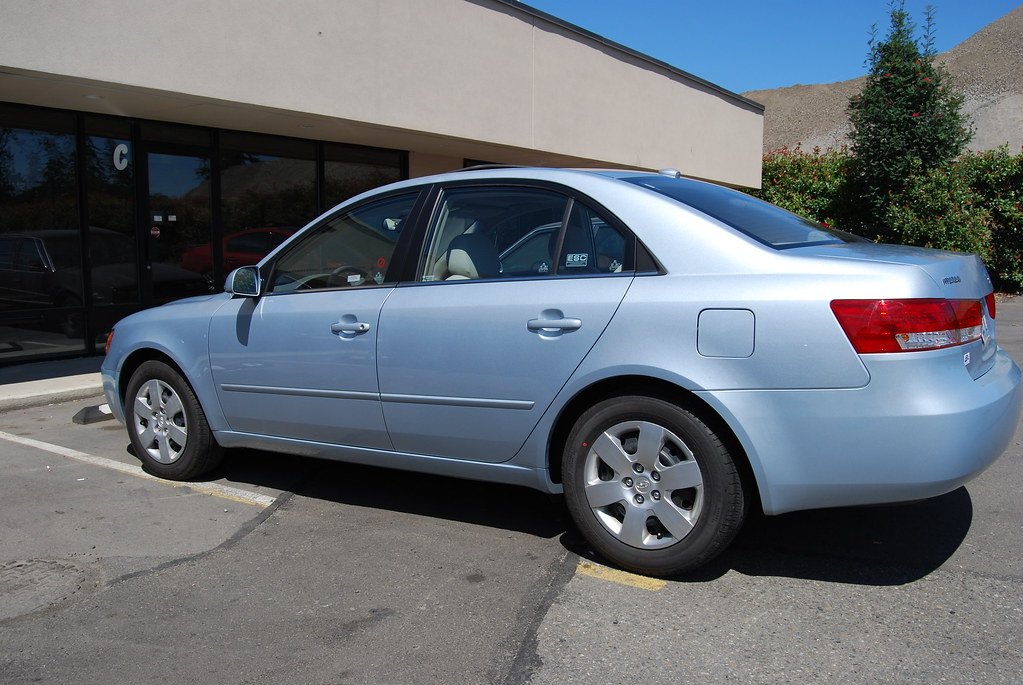
The rental counter presents insurance as one big anxious question – “do you want coverage?” – when it is actually four separate products with four separate jobs. If you carry (or are considering) a non-owner car insurance policy, you deserve a straight comparison: what the counter products do, what your policy does, where they overlap, where each leaves you exposed, and which combination makes sense at what rental frequency. No upsell anxiety – just the map.
The mechanics of how a non-owner policy behaves during a rental transaction – primary versus excess, the claim flow – are covered in non-owner coverage for rental cars; this page is the product-versus-product comparison.
The Menu: What Each Product Actually Is
| Product | Covers | Typical cost (2026) | Where it comes from |
|---|---|---|---|
| SLI – Supplemental Liability Insurance | Injuries/damage you cause to others | $10-$17/day | Rental counter |
| CDW/LDW – Loss Damage Waiver | Damage to or theft of the rental car | $15-$30/day | Rental counter |
| Personal non-owner policy | Injuries/damage you cause to others (liability only) | $25-$60/month, all vehicles | Your insurer |
| Credit card rental benefit | Damage to the rental car (usually secondary) | Free with many cards | Card issuer |
Notice the architecture: SLI and your non-owner policy are competitors – they do the same job. LDW and your credit card are competitors – they do a different job that neither SLI nor your non-owner policy touches. Confusion at the counter comes from mixing the two jobs into one question.
Round 1: Liability – Non-Owner Policy vs. SLI
Price: SLI costs roughly $300-$500 per 30 rental days per year for someone renting regularly. A non-owner policy runs $300-$600 per year for every rental plus every borrowed car plus continuous insurance history. At four-plus rental days a year, the policy typically wins; below three days, paying per rental is cheaper.
Limits: SLI usually provides $300,000-$1,000,000 combined single limit. Your non-owner policy provides whatever trio you bought – 100/300/50 is typical, and higher limits cost modestly more. Both beat the rental car’s included state-minimum liability, which in some states is embarrassingly low.
Behavior: SLI expires the moment you return the keys; your policy persists, covers borrowed cars (see the borrowing guide), satisfies SR-22 filings if you need one (see the SR-22 guide), and keeps your record continuous (see the gap guide).
Verdict: for renters at any frequency above ~3 days/year, the non-owner policy is the better liability instrument. For once-a-year vacationers, decline SLI only if you hold other coverage – or accept the daily cost as the price of simplicity.
Round 2: Damage to the Rental – LDW vs. Credit Card
Your non-owner policy sits this round out entirely – it never covers the vehicle you drive. The real contest is LDW versus card benefits:
- LDW: comprehensive, zero-deductible, no questions – but expensive per day, and it is a waiver of the company’s claim, not insurance. Some LDWs exclude roads they deem unsafe, unauthorized drivers, and violations.
- Credit card coverage: many Visa, Mastercard and Amex cards include rental damage coverage when you pay with the card and decline the LDW. Caveats: usually secondary (pays after your own auto insurance – a wrinkle for carless renters, since you may have none, effectively making it primary), excludes some vehicle classes (vans, luxury, trucks), and requires paperwork and persistence.
- Your own auto policy’s collision coverage: irrelevant here – you have no vehicle, so no collision coverage follows you. This is precisely the gap carless renters misjudge.
Verdict: frequent renters with a good card decline LDW and keep the card’s terms printed in their email. Occasional renters who cannot stomach claim paperwork buy the LDW for the trip. Neither choice involves the non-owner policy – which is the point of separating the questions.
The Combination Matrix
| Rental profile | Recommended stack |
|---|---|
| Rents 1-2 days a year | Card for damage + SLI or existing coverage for liability; skip the annual policy |
| Rents 3-10 days a year | Non-owner policy (liability) + credit card (damage) – decline SLI and LDW |
| Rents 10+ days or borrows cars regularly | Non-owner policy at 100/300/50 + card; the policy also covers the borrowed-car scenarios |
| Needs SR-22 / continuous history | Non-owner policy regardless of rental frequency; add card for damage side |
| No qualifying credit card | Non-owner policy + buy LDW per trip; liability never depends on the counter |
The Fine Print That Changes Answers
- Primary vs. secondary: ask your non-owner carrier how rentals are treated. If your policy behaves as primary at the counter, it cleanly replaces SLI; if excess, the rental’s included minimum sits first – still fine, but know it.
- Vehicle class exclusions: non-owner policies and card benefits both exclude certain vehicles – moving trucks, luxury classes, some vans. A U-Haul is not covered by either; buy the truck company’s coverage for that trip.
- Unauthorized drivers: your non-owner policy covers you. The colleague you added at the counter is the counter’s business, not yours.
- Country borders: U.S. policies (yours and SLI alike) generally stop at Mexico; Canada is usually fine but verify both sides before a cross-border trip.
What This Looks Like in an Accident
You rear-end someone in a rental, carrying the recommended stack (non-owner policy + card, both SLI and LDW declined):
- The other driver’s injuries and car: the rental’s included minimum liability pays first, then your non-owner policy responds to your limits. The injured party deals with two carriers, not you.
- The rental car’s damage: the rental company bills for repairs and loss-of-use; your credit card benefit pays it (secondary becoming primary since you carry no auto policy). One claim form, receipts, patience.
- Your premium: an at-fault liability claim surcharges your non-owner renewal like any policy. The card claim does not, because it is not insurance from your carrier.
The full claim walkthrough, including the owner-side coordination for borrowed cars: what non-owner insurance pays for.
The Counter Conversation, Verbatim: Declining SLI With Confidence
Rental counters run on scripts, and the renter with their own script changes the conversation’s direction. The full exchange, prepared in advance: agent – “Would you like our liability coverage today?” You – “No thank you; I carry a personal non-owner auto policy that covers rented vehicles.” Agent – “You’re declining liability protection?” You – “I’m declining your liability product; I carry $100,000/$300,000 bodily injury and $50,000 property damage through my own policy, which applies here.” Two things happen in that exchange. First, the specific numbers matter: agents are trained to escalate when a renter vaguely waves off coverage, and a precise limits statement ends the escalation – vague refusals invite the manager, specific ones invite a checkbox. Second, the phrase “personal non-owner auto policy” is understood language at rental counters; it appears in their scripts as a legitimate decline reason, which is precisely why the product exists in this conversation. Then the second question arrives, and your script handles it separately: “And the damage waiver?” – “I’ll take the LDW” (if no card benefit) or “I’m declining; my credit card covers rental damage” (if it does – name the card, because that is the verification the agent records). The separation is the whole trick: liability declined with evidence, damage decided on its own merits. What you should never do is decline both in one breath, because the two products share nothing but the counter’s sales script – and the renter who knows that is the renter the upsell cannot touch. The full product-by-product comparison sits in the rental coverage guide.
Four Real Accident Scenarios at the Counter’s Worst Moment
The comparison earns its keep in the parking lot, so here are the four scenarios that actually happen to rental customers, resolved stack by stack. Scenario one, the fender-bender you cause: other driver’s sedan needs $4,200 of repairs and the driver claims a stiff neck. The rental’s included state-minimum liability pays first; your non-owner policy’s excess absorbs the rest including the injury claim up to your limits; the rental car’s own dents route to your card benefit or the LDW. Nothing touches your savings. Scenario two, the parking-lot hit-and-run against you: you return to a dented rental with no note. Damage-side only: card benefit or LDW pays; your liability coverage is irrelevant because you caused nothing – and this scenario is exactly why the damage side cannot be skipped, per the rental mechanics. Scenario three, the serious collision with injuries: a highway accident, two hospitalized drivers, claims exceeding $150,000. The rental’s minimum liability saturates almost immediately; your non-owner policy’s 100/300 layer becomes the meaningful coverage; without it, the injured parties’ attorneys name you personally, and the SLI you declined to save $56 would have been the difference between an insured claim and a decade of wage garnishment. Scenario four, the not-at-fault crash: another driver runs a red and destroys the rental. Their liability pays everything – the rental’s damage, the injuries, your lost vacation day. Your stack contributes nothing because it is built for the accidents you cause; this is normal and correct. Four scenarios, one pattern: the liability question is existential, the damage question is financial, and the stack answers each with the right instrument.
The Annual Cost Ledger for Five Renter Profiles
Profile math beats general advice, so here is the full year for five renter archetypes at 2026 prices. The once-a-year vacationer (4 rental days): counter SLI $42-$68 or a non-owner policy $360-$480 – the counter wins on pure cost; the policy only justifies itself if borrowed cars or continuity needs ride along. The two-trips-a-year renter (8 days): counter $84-$136 versus policy $360-$480 – still counter territory, but the gap narrows; if a single borrowed-car scenario exists in your life, the policy wins overall: the borrowing math. The quarterly renter (16 days): counter $168-$272 versus policy $360-$480 – crossover reached when borrowed-car value and continuity are priced in; the policy takes the lead. The monthly renter (36+ days): counter $378-$612 versus policy $360-$480 – the policy wins outright on cost and dominates on breadth. The business traveler on employer bookings: the employer’s hired-auto coverage often carries liability – verify in writing per the requirements guide – and the personal decision reduces to the damage side plus the trips the employer does not book. Five profiles, one method: count your actual rental days, add any borrowed-car exposure, and let the ledger pick the instrument. The wrong answer at this decision is rarely expensive in any single year – it is expensive in the year the serious claim arrives.
Frequently Asked Questions
Can I decline the rental counter’s insurance entirely?
You can decline SLI if you hold equivalent liability (a non-owner policy qualifies). Declining the LDW is only wise if a credit card or other coverage handles damage to the rental – otherwise that exposure is yours.
Is the rental company’s SLI better than my non-owner policy?
Not better – more expensive per day of protection, expiring after each rental. The policy offers comparable or better limits, applies to every vehicle you drive, and builds continuous history.
Does my non-owner policy cover the deposit hold or loss-of-use fees?
No. Loss-of-use and administrative fees are part of the damage side of the transaction – covered by some LDWs and some card benefits, never by liability coverage.
I rent abroad several times a year – does my U.S. non-owner policy follow me?
Generally no – coverage is domestic (Canada sometimes included; Mexico essentially never). International rentals need the counter’s products or travel insurance with rental provisions.
Stop thinking of it as “rental insurance” versus “my insurance.” Liability is one question – your non-owner policy answers it better and cheaper at any real rental frequency. Damage is the other question – answer it with a card or the LDW, trip by trip. Two clean answers, one calm counter visit.