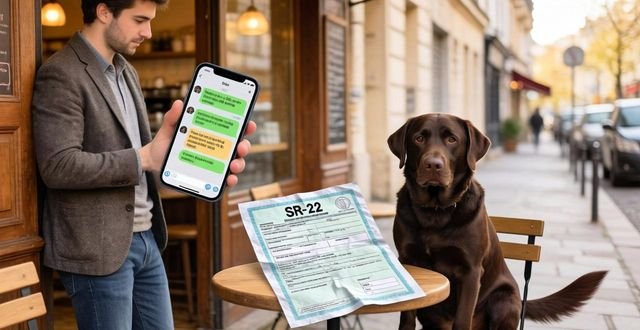
So picture this. You walk out of the DMV, keys in hand, finally ready to put the whole mess behind you. The suspension paperwork is signed off, the fees are paid, and the clerk slides a piece of paper across the counter. You need proof of insurance. Not just any insurance, but an SR-22 or FR-44 form filed before they’ll reactivate your license. And here’s the kicker—you don’t own a car right now.
That exact scenario plays out every single morning across the States. People selling a vehicle after a DUI to save money, folks who ride the bus but still need a license for work, college kids who crashed their beater and haven’t replaced it yet. They all hit the same wall. You walk into a State Farm office, tell them you need coverage but don’t have a car, and the agent looks at you like you just asked for a vegetarian ribeye.
Standard auto policies attach to a specific vehicle. They want a VIN. They want to know where it’s parked at night. If you don’t have a set of wheels registered in your name, their system basically shorts out. But your state doesn’t care about that logistical headache. The law says you need to carry liability coverage for a set period—usually three years—or your license stays dead in the water. Period.
That’s where a specialized non owner SR22 policy for reinstatement becomes your lifeline. It’s not talked about much because honestly, most local agents don’t even know how to quote it properly. They fumble around in their dropdown menus, try to force a quote through with a fake car, and end up flagging your application for fraud. Don’t let them do that.
Here’s what you actually need. A named non-owner policy, which provides bodily injury and property damage liability coverage that follows you, not a vehicle. You drive a friend’s truck to the grocery store? Covered. You rent a sedan for a job interview? Covered. You borrow your cousin’s van to haul furniture? Also covered. What it doesn’t cover is the car itself. If you wreck that rental, you’re on the hook for the damage to the vehicle unless you buy their supplemental waiver. This policy protects the other driver, their passengers, their bumper—not your borrowed ride.
The reinstatement process itself moves fast once you have the right paperwork. You call a carrier that actually understands non owner filing, get the policy bound, they electronically file the SR-22 with your state’s DMV, and the clock starts ticking. Some states verify coverage in real-time now. I’ve seen licenses reinstated within hours of the filing hitting the system. Other states still operate on 1998 technology and make you wait days for a batch process to run. Budget for about five business days of nail-biting if you’re unlucky.
Cost-wise, breathe easy. Because you’re not insuring a physical asset worth thirty grand, the premiums are surprisingly reasonable. You’re essentially buying pure liability coverage with no collision or comprehensive attached. Expect somewhere between thirty-five and eighty dollars a month for a bare-bones non owner insurance needed for license reinstatement, depending on your record and your zip code. The SR-22 filing fee itself is usually a one-time charge of fifteen to twenty-five dollars. That’s it. It’s not the thousand-dollar burden people whisper about.

Now let me warn you about something ugly. There are sketchy operations online that will sell you what they call an “SR-22 certificate” without actually issuing a real insurance policy. They charge you a three-hundred-dollar fee, email you a PDF that looks official,and vanish. The DMV processes that number, sees no active policy backing it, and you’re not only unlicensed but now flagged for submitting fraudulent documents. Always verify the carrier is admitted in your state. A quick search on your state insurance commissioner’s website takes thirty seconds and saves you a world of grief.
Here’s a practical playbook for the morning of your DMV visit. First, bind the non owner policy and get the declaration page and proof of filing in your email. Print them both. Have your suspension termination letter, your ID, and a payment method for the reinstatement fee. Walk up to the counter with zero attitude and all the paperwork fanned out like a poker hand. The clerk processes what’s in front of them. Make it easy and you’ll be out in twenty minutes.
One more angle most guides skip entirely. If you’re planning to buy a car within the next six months, tell your agent upfront. Some carriers writing non owner SR22 for reinstatement purposes will let you convert the policy to a standard auto policy mid-term without a lapse. That continuity matters tremendously. A gap in coverage—even a single day—will send your future rates into the stratosphere because insurers read gaps as high-risk behavior, not just administrative oversight.
People ask me all the time whether they should just get added to a family member’s policy instead. You can. But that attaches your driving record to their household. Their rates climb. If you miss a payment, both of you get cancelled. And when you eventually move out and need your own policy, you’re starting from scratch anyway with no insurance history of your own. A separate non owner policy builds your own continuous coverage history from day one. That insurance score will reward you later.
What about out-of-state moves during the filing period? Tricky territory. The SR-22 attaches to the state that requires it, not where you currently sleep. If Texas mandated the filing but you’re now in Ohio, you keep that Texas policy active and in force until the requirement period expires. Letting it lapse triggers an automatic notification to the requiring state, which then suspends your license all over again. Reciprocity agreements between states don’t cover this. The obligation follows you across state lines like a shadow.
Payment plans matter more than you think on these policies. Many carriers require the full six-month premium upfront for non owner business because they consider it higher-risk paper. If you can swing the lump sum, do it. If you can’t, ask specifically which carriers accept monthly installments with autopay. It’s a narrower list but they exist. Missing a single monthly payment on an SR-22 policy is devastating—the carrier notifies the state immediately, and your license gets yanked again without a grace period.
Let me leave you with one final chew-on-this thought. Getting your license back isn’t the victory lap. The real test is maintaining that clean record for the full filing period so that three years from now, when that SR-22 requirement finally drops off, you’re stepping into standard market rates. Every speeding ticket, every fender bender during that window doesn’t just hike your premium—it resets the clock on how long carriers view you as high-risk. Drive like a saint. Let the statute of limitations on your past quietly expire. That’s how you win the long game nobody tells you about when you’re just desperate to get your plastic card back.