Borrowing a car is like borrowing a toothbrush. You assume it’s clean. You assume it won’t break. But what if something goes wrong?
You grab your friend’s keys. You drive their sedan to grab groceries. A deer jumps out. The front bumper crumples. Your friend’s insurance says, “This driver isn’t listed.” Now what?
That’s where non owner insurance for borrowed vehicles slides into the picture.
Let’s rewind. You don’t own a car. You live in a city where parking costs more than rent. But every month, you borrow your neighbor’s hatchback for Costco runs. Or you take your cousin’s truck to move furniture. You’re careful. You’re safe. Until you’re not.
Here’s the trap most people fall into. They think the vehicle’s insurance follows the car everywhere. False. Many standard policies include a “permissive use” clause. That sounds warm and fuzzy. In reality, it’s a loaded gun. Permissive use often caps coverage at state minimums. Or worse, it excludes damage to the borrowed car entirely.
So you crash. The other driver’s medical bills arrive. The borrowed vehicle needs a new door. Your friend’s insurer pays out for the other party but shrugs at the car itself. Then they subrogate. That legal word means they come after you personally. Your savings. Your future wages. That vacation fund you built.
Non owner insurance for borrowed vehicles stops that chain reaction cold.
Think of it as a shield you carry in your back pocket. It doesn’t cover a car you own because you don’t own one. It covers your liability when you slip behind the wheel of someone else’s machine. Most states require liability coverage on every driver. Not every car. Every driver. If you borrow vehicles more than twice a year, you’re driving exposed.
But wait. Doesn’t your credit card offer some protection? Rarely. Rental car coverage from Visa or AmEx only applies to formal rental agreements. Borrowing your sister’s minivan for a weekend trip doesn’t count. That’s a handshake deal. Plastic won’t help you there.
What about adding yourself as a temporary driver on the owner’s policy? You could. Some insurers allow it for a small fee. But do you really want to call Geico at 9 p.m. on a Friday because you decided to borrow a car spontaneously? No. You want a policy that lives with you, not with the vehicle.
Non owner policies are startlingly cheap. We’re talking ten to thirty dollars per month in most states. That’s one streaming subscription. Maybe two fancy coffees. For that tiny price, you get liability coverage—usually a hundred thousand per person, three hundred thousand per accident. Some carriers offer medical payments too. A few even throw in uninsured motorist protection.

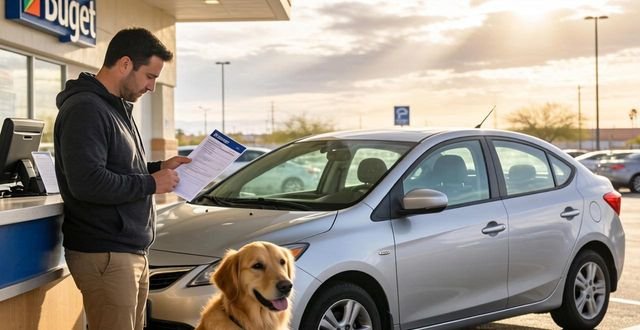
Here’s the beautiful twist. This insurance also covers you in rental cars. You fly to Phoenix. You rent a compact from Budget. You decline their overpriced collision damage waiver. Your non owner policy kicks in as primary liability. That alone saves you fifteen bucks a day.
But let’s stay honest about the gaps. Non owner insurance for borrowed vehicles almost never covers physical damage to the car you’re driving. If you rear end someone and total your friend’s Civic, their insurance pays for their own car’s repair only if they carry collision coverage. And then their insurer will demand reimbursement from you. Your non owner policy won’t pay for that dent. That’s the fine print nobody reads.
So what do you do? You have two moves. First, buy the non owner policy for liability. Second, have an honest conversation with anyone whose car you borrow regularly. Ask them: does your policy include collision on this vehicle? If yes,ask if they’d add you as a named driver. If no, consider a standalone non owner physical damage endorsement. Some specialty insurers offer it. It’s rare but real.
Picture this. You’re twenty four. You just landed a remote job. You sold your sedan because you moved to a walkable neighborhood. But every Sunday, you borrow your roommate’s crossover to visit your parents two hours away. You’ve been doing this for eight months. Zero accidents. Then comes black ice. You slide into a guardrail. The airbags deploy. The car is totaled.
Your roommate cries. Not because they’re hurt. Because they owed twelve thousand on that loan and their insurer only pays actual cash value—maybe nine grand. The gap is three thousand. And because you caused the crash, their insurer sends you a bill for the entire nine thousand they paid out. Subrogation again.
Now you’re staring at a lawsuit. Your roommate’s friendship hangs by a thread. All because no one told you about non owner insurance for borrowed vehicles.
Don’t be that driver. Call an independent agent tomorrow. Ask for a non owner liability policy with the highest limits you can afford. Add medical payments if you ever carry passengers. Skip the physical damage unless you borrow exotic cars or uninsured beaters.
And here’s the final truth. Most insurers will write this policy in fifteen minutes over the phone. Progressive. GEICO. State Farm. A handful of regional mutuals. They’ll ask for your driver’s license number and your last five years of claims. That’s it.
You won’t need a VIN because you don’t have a car. That feels strange at first. Like buying a wallet with no cash. But the moment you turn the key in someone else’s ignition, that strange little policy becomes your best friend.
Go ahead. Borrow that truck for the dump run. Take that convertible for a coastal drive. Just don’t leave your house without the invisible armor that keeps you and your friendships intact.