Introduction
Before purchasing any type of auto insurance, understanding exactly what is and is not covered is essential. This is especially true for Non-Owner Car Insurance, a policy designed for drivers who do not own a vehicle but still need legal and financial protection. One of the most frequently asked questions is: what does non-owner car insurance cover?
This article provides a comprehensive, coverage-focused explanation of how Non-Owner Car Insurance works in the United States, what protections it offers, its limitations, and how it applies in real-world driving scenarios. By the end, you will have a clear, practical understanding of whether this type of insurance fits your needs.
What Is Non-Owner Car Insurance?
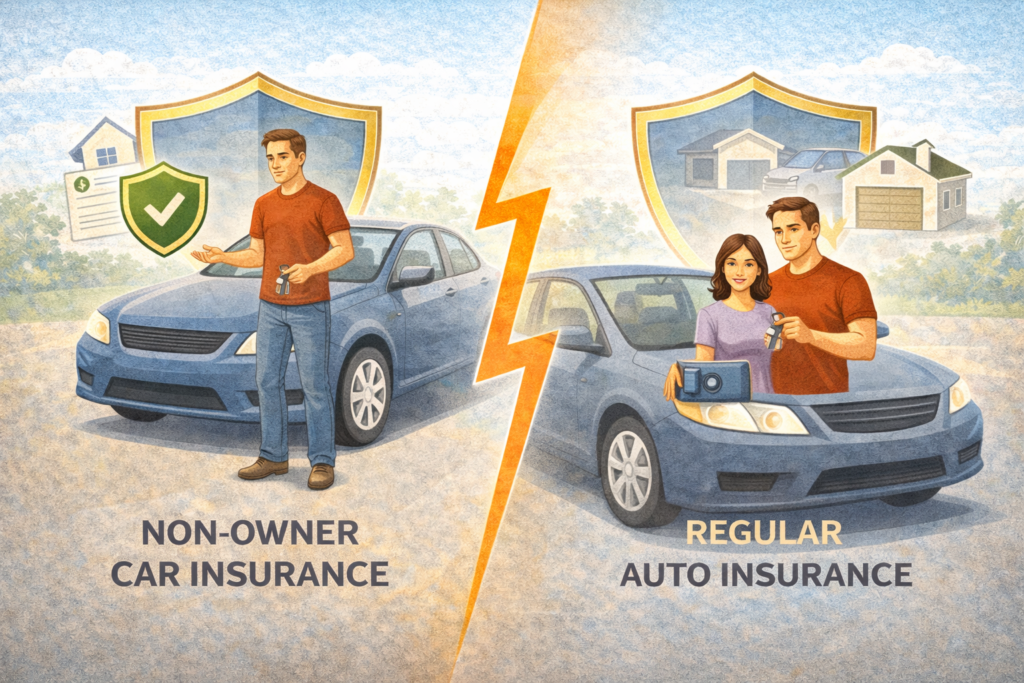
Non-Owner Car Insurance is a liability-only auto insurance policy for licensed drivers who do not own a vehicle. Unlike standard auto insurance, it is not tied to a specific car. Instead, it follows the driver and applies when they operate a vehicle they do not own, such as a borrowed or rented car.
This policy is primarily intended to provide liability protection and help drivers meet state minimum insurance requirements without the expense of insuring a personal vehicle.
What Does Non-Owner Car Insurance Cover?
To answer the question what does non-owner car insurance cover, it is important to understand that coverage is limited but highly specific.
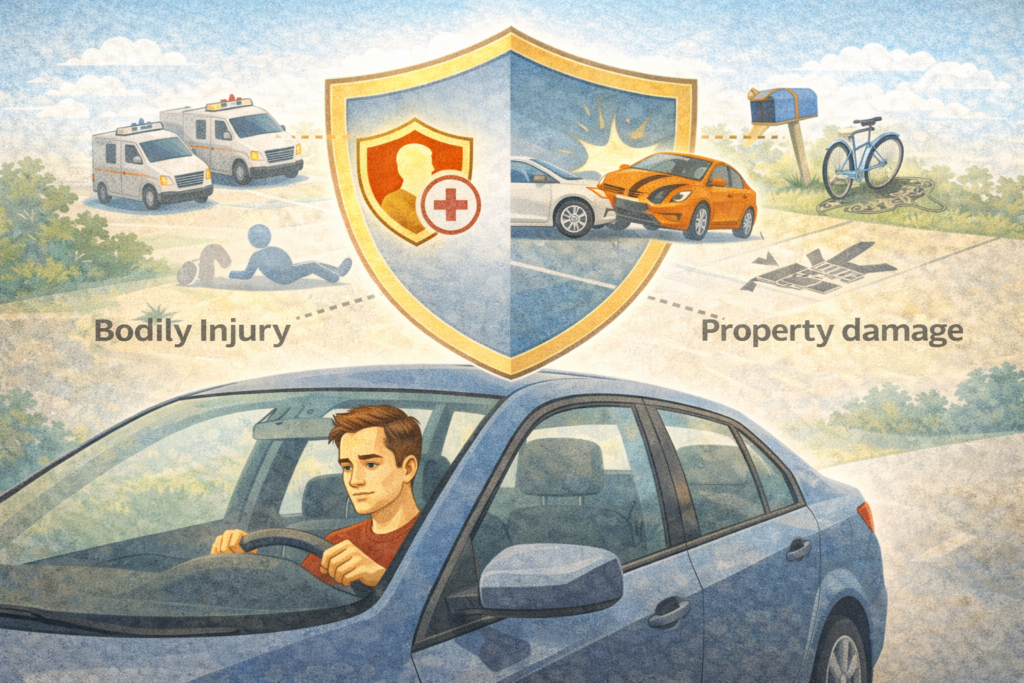
1. Bodily Injury Liability Coverage
Bodily injury liability is a core component of Non-Owner Car Insurance. It covers:
-
Medical expenses for other parties injured in an accident
-
Lost wages for injured individuals
-
Legal fees if you are sued
-
Pain and suffering damages awarded in court
Coverage applies when you are at fault in an accident while driving a vehicle you do not own.
2. Property Damage Liability Coverage
Property damage liability covers the cost of repairing or replacing property you damage while driving. This includes:
-
Other vehicles
-
Buildings or structures
-
Fences, poles, or road signs
This coverage protects you from significant out-of-pocket expenses if you cause damage while operating a borrowed or rented vehicle.
Coverage Limits and State Requirements
Non-Owner Car Insurance policies must meet state-mandated minimum liability requirements. These limits vary by state and are typically expressed as three numbers, such as 25/50/25:
-
$25,000 bodily injury per person
-
$50,000 bodily injury per accident
-
$25,000 property damage per accident
Drivers can often choose higher limits for added protection. While higher limits increase premiums, they significantly reduce financial risk in serious accidents.
What Non-Owner Car Insurance Does NOT Cover
Understanding exclusions is just as important as understanding coverage. When asking what does non-owner car insurance cover, it is equally critical to know what it does not cover.
1. Damage to the Vehicle You Are Driving
Non-Owner Car Insurance does not include:
-
Collision coverage
-
Comprehensive coverage
Any damage to the borrowed or rented vehicle is typically covered by the vehicle owner’s insurance or a rental company’s policy.
2. Personal Injuries to the Policyholder
This policy generally does not include:
-
Personal injury protection (PIP)
-
Medical payments coverage (MedPay)
Your own medical expenses may not be covered unless you have separate health or supplemental insurance.
3. Regular Access to a Vehicle
If you regularly use a specific vehicle, insurers may deny coverage or require you to be listed on the vehicle owner’s policy. Non-Owner Car Insurance is intended for occasional use only.
4. Commercial or Business Use
Non-Owner Car Insurance typically excludes:
-
Commercial driving
-
Delivery services
-
Rideshare driving (with limited exceptions)
Drivers using vehicles for business purposes should seek specialized coverage.
How Non-Owner Car Insurance Works With Other Policies
When driving a borrowed car, insurance coverage follows a specific order:
-
Vehicle Owner’s Insurance (Primary)
-
Non-Owner Car Insurance (Secondary)
Your policy acts as secondary liability coverage, stepping in when the owner’s coverage limits are exhausted.
For rental vehicles, Non-Owner Car Insurance may supplement liability protection if the rental company’s policy is insufficient.
Coverage Scenarios: Real-World Examples
Borrowing a Friend’s Car
If you cause an accident while borrowing a friend’s car:
-
Your friend’s insurance pays first
-
Your Non-Owner Car Insurance covers excess liability
Renting a Car
When renting a vehicle:
-
Rental companies provide limited liability coverage
-
Your Non-Owner Car Insurance may provide additional protection
License Reinstatement Requirements
Some states require proof of liability insurance to reinstate a suspended license. Non-Owner Car Insurance satisfies these requirements without vehicle ownership.
Common Misconceptions About Non-Owner Car Insurance Coverage
“It Covers Everything Like Regular Auto Insurance”
False. Non-Owner Car Insurance provides liability coverage only.
“It Covers Any Vehicle I Drive Regularly”
Incorrect. Regular access to a vehicle disqualifies many drivers.
“It Is Unnecessary if I Rarely Drive”
Even occasional driving can expose you to significant liability risk.
Optional Add-Ons and Special Situations
In limited cases, insurers may offer:
-
Higher liability limits
-
Uninsured/underinsured motorist coverage (state-dependent)
Availability varies significantly by provider and state.
Who Should Prioritize Coverage Understanding?
Drivers who benefit most from understanding what does non-owner car insurance cover include:
-
Urban residents who rely on shared transportation
-
Drivers between vehicle ownership
-
Individuals with suspended or reinstated licenses
-
Occasional drivers who borrow vehicles
Final Thoughts
So, what does non-owner car insurance cover? In short, it provides essential liability protection for drivers without personal vehicles while excluding physical damage and personal injury coverage. While limited in scope, it plays a crucial role in protecting drivers from significant financial and legal exposure.
For drivers who do not own a vehicle but still need to drive legally and responsibly, Non-Owner Car Insurance offers targeted, affordable, and practical protection aligned with U.S. insurance regulations.