
You buy a policy.
You’re covered.
End of story.
That illusion collapsed the day I tried to file a claim and realized I didn’t even understand what kind of insurance I had — or what I should have had.
I didn’t own a car at the time. I had sold mine after moving downtown. Parking was expensive, traffic was frustrating, and rideshare made ownership feel unnecessary.
But I still drove.
Rental cars.
My girlfriend’s car.
Occasional work vehicles.
And that’s where the confusion started.
The Assumption That Nearly Cost Me Everything
I believed one thing:
“If I don’t own a car, I don’t need regular auto insurance.”
That part was true.
But then I jumped to a second assumption:
“And if I don’t own a car, I probably don’t need insurance at all.”
That part was dangerously wrong.
The problem was I didn’t understand the difference between:
-
Regular auto insurance
-
Non-owner car insurance
And honestly, most websites explain it in a way that feels overly technical.
So let me explain how I finally understood it — after almost paying for it.
The Situation That Forced Me to Learn
I borrowed a friend’s car for a weekend trip. On the highway, traffic stopped suddenly. I braked in time, but the driver behind me didn’t.
Minor accident. No injuries.
But here’s what made my heart drop:
The other driver claimed I had changed lanes improperly.
Suddenly, liability questions were flying around.
And I realized:
I had no personal auto policy.
I had no non-owner policy.
I was fully relying on my friend’s insurance.
I felt exposed. Not physically — financially.
What I Thought Regular Auto Insurance Covered
Before doing research, I assumed regular auto insurance was just “the standard.”
What I didn’t understand is that regular auto insurance is built around one core thing:
A specific vehicle.
It includes:
-
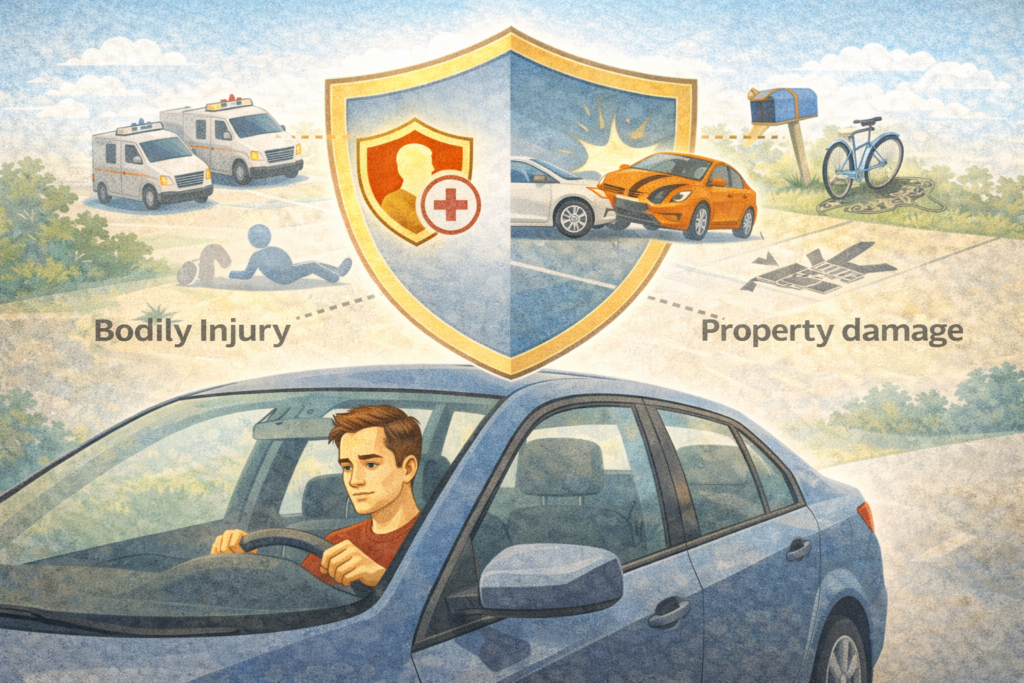
Liability
-
Collision
-
Comprehensive
-
Sometimes rental reimbursement
-
Sometimes roadside assistance
But all of that revolves around a car you own.
And that’s when I realized something critical:
I didn’t own a car — so collision and comprehensive meant nothing for me.
But liability?
That still mattered.
The Lightbulb Moment: Liability Follows the Driver
This was the key concept that changed everything for me.
Regular auto insurance:
-
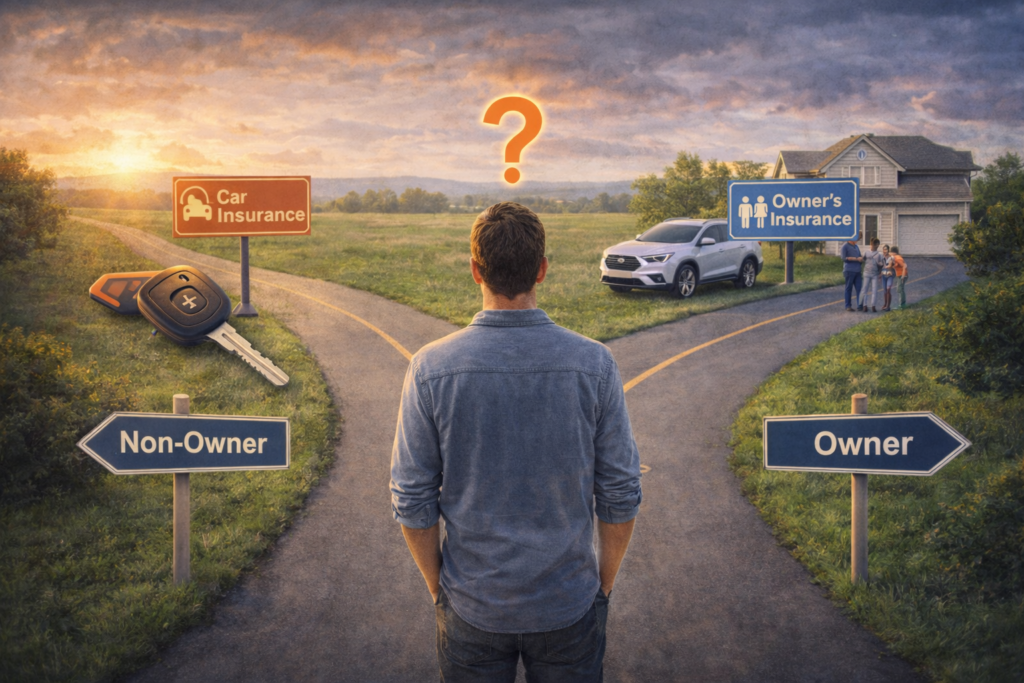
Follows the vehicle primarily.
Non-owner insurance:
-
Follows the driver.
That distinction finally made sense.
📊 Side-by-Side Comparison (The Table That Cleared My Confusion)
| Feature | Regular Auto Insurance | Non-Owner Insurance |
|---|---|---|
| Requires vehicle ownership | Yes | No |
| Covers vehicle damage | Yes | No |
| Covers liability | Yes | Yes |
| SR-22 eligible | Yes | Yes |
| Builds coverage history | Yes | Yes |
| Monthly cost | Higher | Lower |
Seeing this laid out simply eliminated 80% of my confusion.
The Cost Difference Shocked Me
When I got quotes, I expected similar pricing.
I was wrong.
Regular auto insurance (full coverage) quote:
→ $182/month
Non-owner policy quote:
→ $58/month
That gap was massive.
And that’s when I understood:
Non-owner insurance strips away vehicle-specific coverage and keeps only liability protection.
It’s lean.
It’s targeted.
It’s practical for people like I was.
The Biggest Mistake People Make (And I Almost Did)
A lot of Americans cancel regular auto insurance after selling their car and think:
“I’ll just deal with insurance when I buy another car.”
That creates a coverage gap.
And insurance companies punish coverage gaps hard.
I almost let mine lapse for 9 months.
When I later requested quotes for full coverage, the difference was dramatic.
📊 Coverage Gap Impact Example
| Scenario | Future Monthly Premium |
|---|---|
| No coverage gap | $170 |
| 9-month gap | $240 |
That difference could cost thousands over time.
Non-owner insurance would have prevented that entirely.
Emotional Reality: I Felt Embarrassed
I consider myself financially responsible.
So realizing I didn’t understand something as basic as insurance was humbling.
I felt:
-
Naive
-
Overconfident
-
Slightly foolish
But here’s what I learned:
Insurance complexity isn’t your fault.
It’s structured in a way that assumes ownership.
If you’re outside the “normal” pattern, clarity drops fast.
When Regular Insurance Makes More Sense
Let’s be honest — non-owner insurance is not always the right solution.
Regular auto insurance is better if:
-
You own a vehicle
-
You lease a vehicle
-
You drive one specific car daily
-
You need collision or comprehensive
If I had bought a car the next month, regular insurance would have been smarter.
But I didn’t.
And that distinction matters.
When Non-Owner Insurance Wins
It’s ideal if:
-
You frequently rent cars
-
You borrow vehicles regularly
-
You’re between cars
-
You need SR-22 filing
-
You want continuous coverage history
In my case, I was renting 6–8 times per year.
Rental company liability upgrades were costing me $20–$30 per day.
That adds up quickly.
What Most Americans Confuse
After reading forums and consumer complaints, here are common misunderstandings:
❌ “Non-owner insurance covers rental car damage.”
No — it covers liability only.
❌ “Regular insurance covers me in any car automatically.”
Not always. It depends on permission and policy language.
❌ “If I don’t own a car, I’m low risk.”
You’re low asset — not low liability.
That last realization changed my mindset permanently.
The Financial Mindset Shift
Before understanding the difference, I focused on:
“How much does this cost per month?”
After understanding it, I started asking:
“How much could this mistake cost me?”
That mental shift was powerful.
Insurance isn’t about protecting a car.
It’s about protecting your future earnings.
The Confidence Difference After Choosing Correctly
Once I purchased non-owner coverage:
-
I stopped worrying when borrowing cars.
-
I felt independent.
-
I knew lawsuits wouldn’t automatically destroy me.
That peace of mind felt disproportionate to the monthly cost.
$58 per month bought me emotional stability.
My Final Take: Which One Should You Choose?
If you own a car → Regular auto insurance.
If you don’t own a car but still drive → Non-owner insurance.
If you’re unsure → Look at how often you operate vehicles, not how often you own them.
The Lesson I Wish I Learned Sooner
Ownership is not the same as responsibility.
You don’t have to own a vehicle to be financially exposed by one.
That was the mental trap I fell into.
And once I understood the difference between non-owner car insurance vs regular auto insurance, the decision became simple.
Not emotional.
Not confusing.
Not overwhelming.
Just logical.