Introduction
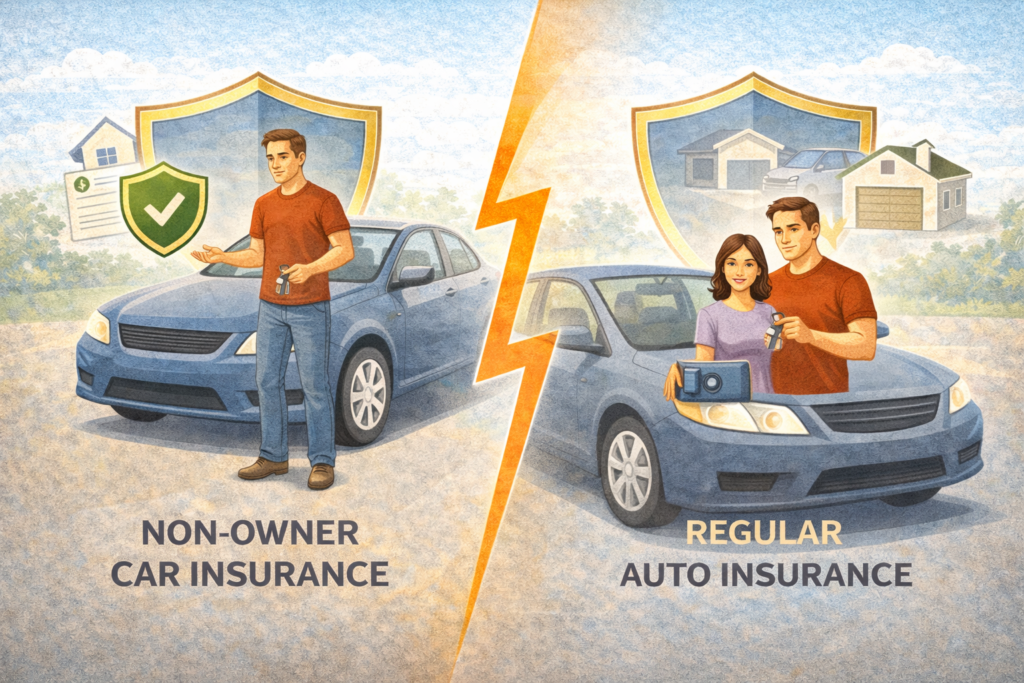
Choosing the right type of auto insurance is not always straightforward—especially for drivers who do not own a vehicle. Many Americans assume that standard auto insurance is the only option, but this is not the case. A common and important comparison is non-owner car insurance vs regular auto insurance.
This article provides a clear, side-by-side comparison of Non-Owner Car Insurance and regular auto insurance, explaining how each works, who they are designed for, and which option makes the most sense based on driving habits, legal requirements, and cost considerations.
What Is Non-Owner Car Insurance?
Non-Owner Car Insurance is a liability-only policy designed for licensed drivers who do not own a vehicle and do not have regular access to one. The policy follows the driver rather than a specific car and provides coverage when driving borrowed or rented vehicles.
Its primary purpose is to:
-
Meet state minimum liability requirements
-
Provide liability protection without insuring a vehicle
-
Maintain continuous insurance coverage
What Is Regular Auto Insurance?
Regular auto insurance is a traditional policy tied to a specific vehicle. It is required for vehicle owners and typically includes a combination of:
-
Liability coverage
-
Collision coverage
-
Comprehensive coverage
-
Optional add-ons such as uninsured motorist coverage
This type of insurance protects both the driver and the insured vehicle.
Non-Owner Car Insurance vs Regular Auto Insurance: Core Differences
Understanding the distinction between non-owner car insurance vs regular auto insurance requires examining several key factors.
1. Vehicle Ownership Requirement
-
Non-Owner Car Insurance: No vehicle ownership required
-
Regular Auto Insurance: Vehicle ownership required
If you do not own a car, purchasing regular auto insurance is often unnecessary and impractical.
2. Coverage Scope
-
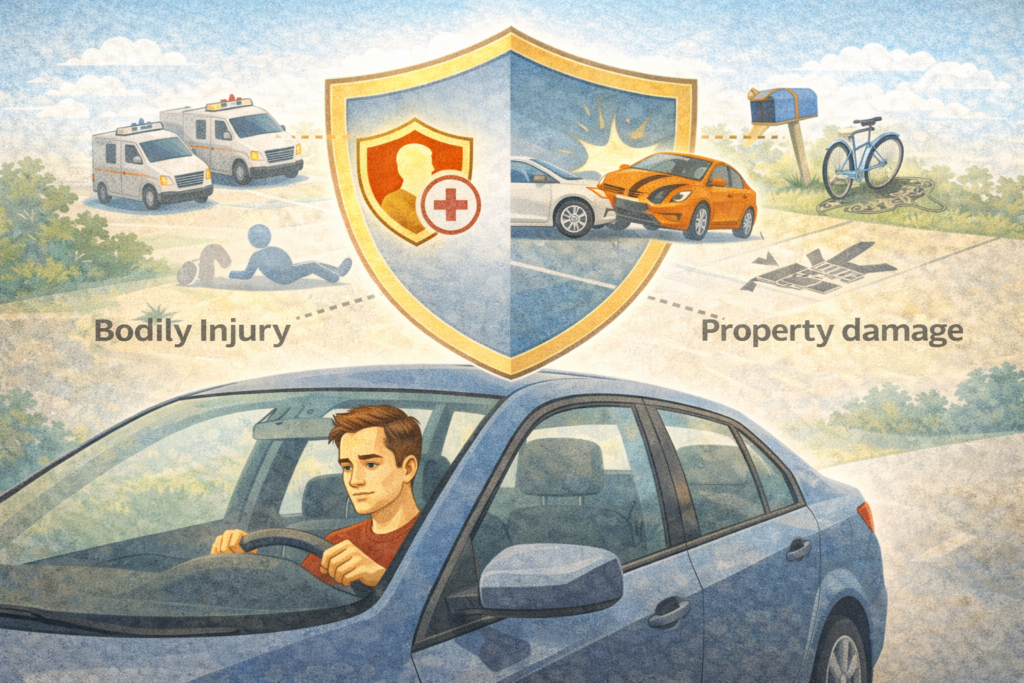
Non-Owner Car Insurance:
-
Bodily injury liability
-
Property damage liability
-
-
Regular Auto Insurance:
-
Liability coverage
-
Collision coverage
-
Comprehensive coverage
-
Optional medical and uninsured motorist protection
-
Non-owner policies focus solely on liability protection.
3. Cost Comparison
One of the most significant differences is cost.
| Policy Type | Average Annual Cost |
|---|---|
| Non-Owner Car Insurance | $200–$600 |
| Regular Auto Insurance | $1,200–$2,000+ |
For drivers without a vehicle, Non-Owner Car Insurance offers substantial cost savings.
4. Frequency of Use
-
Non-Owner Car Insurance: Occasional driving only
-
Regular Auto Insurance: Daily or frequent driving
Drivers who regularly use the same vehicle typically require standard auto insurance.
5. Claims Handling Structure
When driving a borrowed car:
-
Vehicle owner’s insurance pays first
-
Non-Owner Car Insurance covers excess liability
With regular auto insurance, your policy is primary for your vehicle.
Use-Case Scenarios
When Non-Owner Car Insurance Makes Sense
-
You do not own a car
-
You borrow or rent vehicles occasionally
-
You need proof of insurance for legal or DMV reasons
-
You want to maintain insurance history without vehicle ownership
When Regular Auto Insurance Is the Better Choice
-
You own a vehicle
-
You drive the same car regularly
-
You need coverage for vehicle damage
-
You require broader protection options
Legal and Compliance Considerations
State laws require drivers to carry minimum liability insurance. Both policy types can satisfy these requirements, but eligibility depends on:
-
Vehicle ownership status
-
Driving frequency
-
Policy structure
Using the wrong type of insurance may result in denied claims or legal penalties.
Can You Switch Between Policy Types?
Yes. Many drivers switch between Non-Owner Car Insurance and regular auto insurance based on changes in vehicle ownership.
Common scenarios include:
-
Selling a car and switching to non-owner coverage
-
Buying a car and upgrading to standard insurance
-
Temporarily using non-owner insurance between vehicles
Maintaining continuous coverage helps avoid higher future premiums.
Common Misconceptions
“Non-Owner Insurance Is Inferior”
Non-Owner Car Insurance is not inferior—it is simply designed for a different use case.
“Regular Auto Insurance Is Always Better”
Regular insurance is better only when you own or regularly drive a vehicle.
Decision Guide: Which One Is Right for You?
Ask yourself:
-
Do I own a vehicle?
-
How often do I drive?
-
Do I need coverage for vehicle damage?
-
Am I required to show proof of insurance?
Your answers will help determine whether non-owner car insurance vs regular auto insurance is the right comparison—and which policy fits your situation.
Final Thoughts
The choice between non-owner car insurance vs regular auto insurance depends entirely on vehicle ownership and driving habits. For drivers without cars, Non-Owner Car Insurance offers affordable, targeted liability protection without unnecessary costs. For vehicle owners, regular auto insurance remains essential.
Understanding these differences ensures you choose the correct coverage, remain legally compliant, and protect yourself financially.