

Introduction
Before purchasing any insurance policy, it is essential to confirm that you qualify. This is especially true for specialized coverage such as Non-Owner Car Insurance, which is designed for a specific group of drivers. One of the most common questions prospective policyholders ask is about non-owner car insurance eligibility requirements.
This article provides a detailed, compliance-focused explanation of who qualifies for Non-Owner Car Insurance in the United States, what conditions insurers evaluate, and which situations may disqualify applicants. Understanding these requirements helps drivers avoid denied applications and ensures they select the correct type of coverage.
What Is Non-Owner Car Insurance?
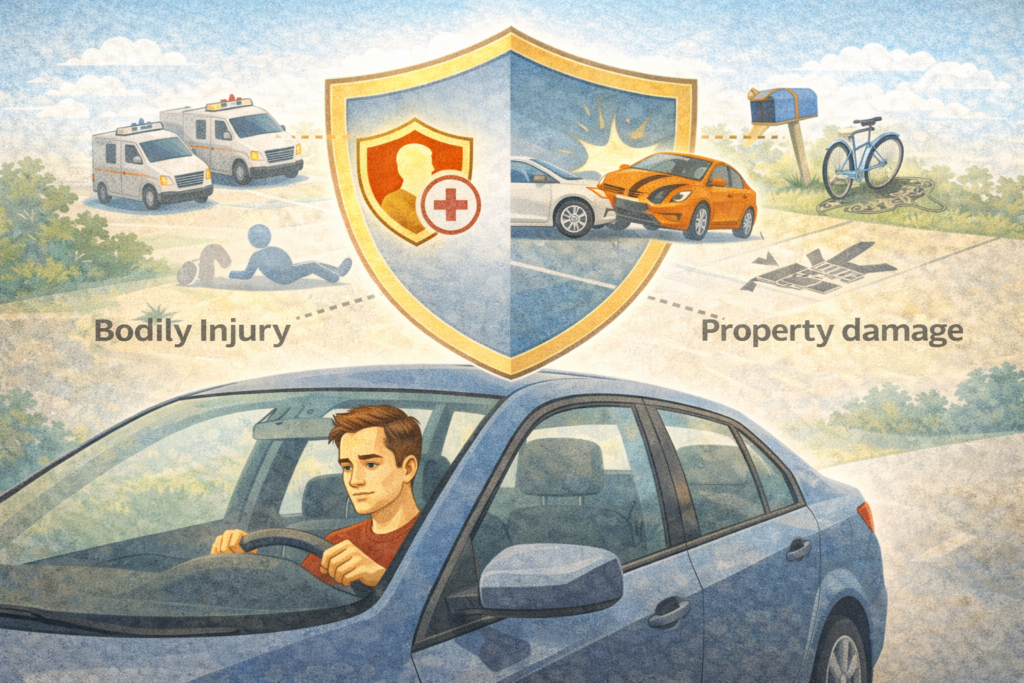
Non-Owner Car Insurance is a liability-only auto insurance policy intended for licensed drivers who do not own a vehicle and do not have regular access to one. The policy provides coverage when the insured driver operates a vehicle they do not own, such as a borrowed or rented car.
It is commonly used to meet state minimum insurance requirements, maintain continuous coverage, or satisfy DMV and court mandates.
Core Non-Owner Car Insurance Eligibility Requirements
To qualify for Non-Owner Car Insurance, applicants must meet several fundamental criteria. While exact requirements vary by insurer and state, the following standards are widely applied.
1. Valid Driver’s License
A valid driver’s license is a primary eligibility requirement. Most insurers require:
-
An active, non-expired license
-
A license that is not permanently revoked
Drivers with suspended or restricted licenses may still qualify in certain states, particularly if the policy is needed for license reinstatement.
2. No Vehicle Ownership
Applicants must not own a vehicle. This includes:
-
Cars registered in your name
-
Vehicles jointly owned or titled to you
If you own a vehicle—even if you do not drive it—you typically need a standard auto insurance policy instead of Non-Owner Car Insurance.
3. No Regular Access to a Vehicle
Non-Owner Car Insurance is designed for occasional driving only. Insurers often deny coverage if you:
-
Regularly use the same vehicle
-
Live with someone whose car you frequently drive
Regular access suggests ongoing use, which requires listing the driver on the vehicle owner’s policy.
4. Personal (Non-Commercial) Use Only
Most Non-Owner Car Insurance policies exclude:
-
Commercial driving
-
Delivery services
-
Rideshare or business use
Eligibility generally requires that driving be personal and occasional.
Eligibility for Drivers With Suspended or Reinstated Licenses
Drivers seeking to reinstate their licenses often ask about non-owner car insurance eligibility requirements.
License Suspension Situations
Many states require proof of insurance before reinstating a license. Non-Owner Car Insurance is commonly accepted when the driver does not own a vehicle.
Insurers may still approve applicants with:
-
Prior suspensions
-
SR-22 filing requirements
-
High-risk driving records
SR-22 and Financial Responsibility Filings
Some drivers must file an SR-22 or similar certificate with the state to prove financial responsibility.
Non-Owner Car Insurance:
-
Can include SR-22 filings
-
Satisfies state-mandated insurance requirements
-
Allows compliance without owning a vehicle
Eligibility for SR-22-backed non-owner policies varies by state and insurer.
Driving Record Considerations
While Non-Owner Car Insurance is available to many high-risk drivers, insurers still evaluate:
-
Accident history
-
Traffic violations
-
DUI or DWI offenses
A poor driving record does not automatically disqualify you, but it may:
-
Increase premiums
-
Limit provider options
Residency and State-Specific Requirements
Insurance laws differ by state, and eligibility may depend on:
-
State of residence
-
Local liability minimums
-
DMV regulations
Applicants must purchase a policy that complies with their state’s requirements.
Common Disqualification Scenarios
Not all applicants meet non-owner car insurance eligibility requirements. Common reasons for denial include:
-
Owning a vehicle
-
Having regular access to a specific car
-
Intending to use the policy for business purposes
-
Providing inaccurate application information
Understanding these limitations prevents wasted applications and delays.
How Insurers Verify Eligibility
Insurance companies verify eligibility through:
-
License status checks
-
Vehicle registration databases
-
Self-reported driving habits
-
State DMV records
Providing accurate information is critical to avoiding policy cancellation or denied claims.
How to Confirm Your Eligibility Before Applying
Before applying for Non-Owner Car Insurance, ask yourself:
-
Do I own or co-own a vehicle?
-
Do I regularly use the same car?
-
Is my license active or eligible for reinstatement?
-
Is my driving strictly personal and occasional?
If the answers align with eligibility criteria, you likely qualify.
Why Eligibility Requirements Matter
Meeting non-owner car insurance eligibility requirements ensures:
-
Legal compliance
-
Valid coverage during claims
-
Acceptance by state authorities
-
Long-term affordability
Applying for the wrong type of policy can result in denied claims and legal penalties.
Final Thoughts
Understanding non-owner car insurance eligibility requirements is essential for selecting the right coverage. While this policy offers flexibility and affordability, it is only appropriate for drivers who truly do not own or regularly use a vehicle.
For eligible drivers, Non-Owner Car Insurance provides a practical way to meet legal obligations, protect against liability risks, and maintain continuous insurance coverage in the United States.