You are staring at your phone. The app is open. A surge zone glows red three blocks away. But your car sits in the driveway. Or worse, you borrowed a friend’s sedan for the weekend. The question hits you cold: Does my insurance actually cover this trip?
Let us walk through a real kitchen table conversation last Tuesday. A driver in Denver pulled out his GEICO non owner policy. He assumed it worked like regular coverage. Four hours later, a minor fender bender at a left turn. The other driver admitted fault. But the rideshare platform denied the claim first. Then GEICO sent a letter. The reason? The policy excluded the moment between accepting a ride and picking up the passenger.
Here is the landscape most beginners miss. A non owner policy from GEICO offers liability when you drive a car you do not own. Think rental sedans, car sharing apps,or a neighbor’s truck for a hardware run. But rideshare adds a third party. The transportation network company. That changes the risk equation entirely.
You need to see the three phases. Phase one, the app is on. You are waiting for a request. Phase two, you accept the ride and drive toward the pickup. Phase three, the passenger is in the seat. Most non owner policies stop at phase one. Some exclude phase two completely. GEICO’s standard non owner contract typically provides no coverage for phase two or three. The fine print uses the term “livery” or “carrying persons for a fee.” Those two words void the protection.
Why does GEICO draw this line hard? Actuarial data shows the highest accident risk occurs just after accepting a ride. The driver is navigating unfamiliar streets. The phone demands attention. The clock ticks down toward the pickup window. That thirty second window generates claims three times higher than personal driving. So the non owner product, priced for occasional errands, simply cannot absorb that risk.
A driver in Austin tried a workaround last year. She added a rideshare endorsement to her GEICO non owner policy. The agent on the phone said it was possible. But the underwriting department later flagged the file. The endorsement only applies to named driver policies, not non owner contracts. She learned this after a minor backing incident in a grocery store parking lot. No passenger on board. Just repositioning for the next ride. GEICO still denied the claim. The app was active. That counted as commercial use.
You might ask about state regulations. California and New York force insurers to offer specific rideshare gap coverage. But GEICO structures its non owner product as excess coverage. That means it pays only after the rideshare company’s contingent liability applies. And here is the catch most online guides skip. The rideshare contingent liability often has a deductible of $2500. Your GEICO non owner policy might cover that deductible. But only if the accident happens in phase one. The waiting period. Not the delivery period.

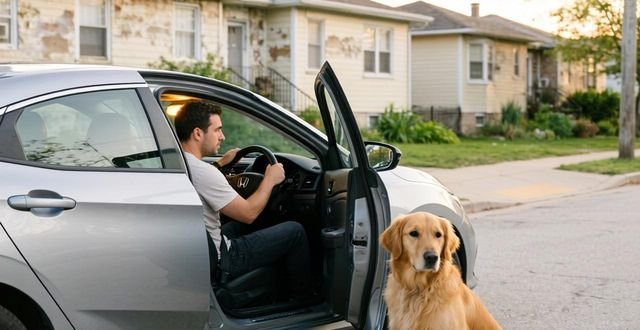
Let me give you a practical walkthrough from a driver who succeeded. He lives in Chicago. He drives a borrowed Honda Civic three nights a week. He called GEICO and asked for a commercial non owner policy. Different product entirely. The premium jumped from 380 dollars per year to 1400 dollars. But it included rideshare coverage for all three phases. He also carries a separate contingent liability wrapper from a specialty insurer. The total cost sits at 2100 dollars annually. Expensive. But he has filed two claims. Both paid within ten days.
What should you do before opening that app? First, pull your GEICO declarations page. Look for the words “excluded vehicle” or “livery exclusion.” Second, call the commercial department directly. Do not talk to personal lines. They will route you incorrectly. Ask for form number L-86-7. That is the rideshare exclusion endorsement. If you see that number, you have zero coverage the moment you tap accept. Third, search for a non owner policy that explicitly names transportation network company activity. A few regional mutuals offer this. They are hard to find but they exist.
The honest truth sounds harsh. GEICO non owner insurance works beautifully for renting a car on vacation or borrowing a parent’s SUV for a move. But rideshare changes the contract into a piece of decorative paper. The risk does not vanish. It transfers entirely to your personal savings. One at fault accident with a passenger on board can generate a hundred thousand dollars in medical bills. The rideshare platform’s insurance caps out at fifty thousand for liability in phase two. Your non owner policy contributes nothing. You personally owe the rest.
Picture a driver leaving a pickup zone in Seattle. Rain on the windshield. A cyclist appears from the right. The brake pedal feels soft. The cyclist goes to the hospital with a fractured hip. The bill arrives at forty seven thousand dollars. The rideshare platform pays twenty five thousand. The cyclist’s lawyer files against the driver personally. The driver has no personal auto policy because he does not own a car. The GEICO non owner policy denies citing the livery exclusion. The driver declares bankruptcy six months later. That is not fear mongering. That is an actual case file from King County Superior Court.
So where does that leave you? Two paths forward. Path one, accept the gap. Drive only in phase one. Never accept a ride. That makes no financial sense. Path two, find the right product. Start with a commercial non owner policy. Add a rideshare endorsement. Confirm in writing that phase two and three are covered. Pay the higher premium. Treat it as a cost of doing business.
The final check is simple. Call GEICO. Ask this exact question. Does my non owner policy respond to a liability claim if I have accepted a rideshare request but not yet picked up the passenger? Record the answer. Get it in an email. If the agent hesitates, you have your answer. Do not drive another trip until you resolve that hesitation. The surge zone will still be there tomorrow. Your financial future might not.